
Discarding
Overview
Discarding is one of the most overlooked skills in Euchre, yet it regularly determines the difference between making a point and getting euchred or between stopping an opponent and letting them march. Discard decisions are most often made by the dealer after being ordered up or after picking up to make trump, though discarding also occurs later in hands when you are unable to follow suit. In both situations, the same principles apply: your discard shapes your hand’s structure, affects communication with your partner, and influences the likelihood of winning or losing key tricks.
Because you are not required to trump when you cannot follow suit, throwing off cards also becomes a subtle form of signalling. The cards you choose to part with tell your partner which suits you are protecting, which suits you are void in, and sometimes what combinations you still hold. Making disciplined discards keeps your hand flexible while quietly guiding your partner’s play.
The first priority when discarding is almost always to create a void. A void allows you to trump when that suit is led, turning dead cards into control. The next priority is to eliminate the cards least likely to take a trick. If a suit cannot be voided cleanly, discarding the lowest card from your longest non-trump suit often preserves the most potential winners across the remaining suits. Maintaining length in more than one suit allows Ks and Qs to become live late-hand winners rather than useless scraps.
Which Suit to Abandon?
If short-suiting is not possible, discard from your longest off-suit, starting with its lowest card. This preserves multiple live suits, allowing end-play combinations to remain powerful instead of fragmented.
Pay attention to patterns from your opponents. Many players habitually lead green suits, while others consistently lead Next. Against predictable leaders, you can improve your odds by discarding specifically from the suit they are most likely to lead. If someone always leads Next, voiding Next maximizes your ability to ruff the opening trick. If someone never leads Next, discarding from a non-Next suit gives you better coverage on their preferred opening lead.
Holding Combinations
Suit structure matters more than individual rank. A paired holding such as KQ in a suit is more valuable than two isolated Ks in different suits. In cases where you hold a suited combination and a singleton K elsewhere, it is correct to discard the lone K rather than break up the pair. Splitting combinations to “save face cards” weakens your hand instead of strengthening it, since two disconnected Ks are unlikely to produce tricks while a suited pair often can later in the hand.
Rare exceptions exist, but in most standard situations preserving combinations is the strongest option.
Loner Discards
When attempting a loner while holding three trump, a specific decision frequently arises between keeping two As or maintaining an AK combination. The guidance is clear: discarding the single A and keeping the AK suited pair tends to produce better results. This limits opponents’ ability to trump or overtrump your winners and helps manage trick flow so you are less vulnerable to early interference.
Creating a void becomes especially valuable during loner attempts. It protects against defensive trump-ins on off-suit leads and gives you more certainty in controlling tempo. Discarding an A for this purpose may increase the risk of rare defensive layouts, but those losses occur infrequently. The increased likelihood of completing the loner across the broad field outweighs that small extra exposure. On weaker loner attempts, the calculus changes slightly, and keeping multiple aces to preserve guaranteed cover in several suits can sometimes be preferable.
Example: Dealer Loner With the J♧
As dealer, you turn up the J♧ and plan to go alone. You hold three trump, and must discard one card. Your options include:
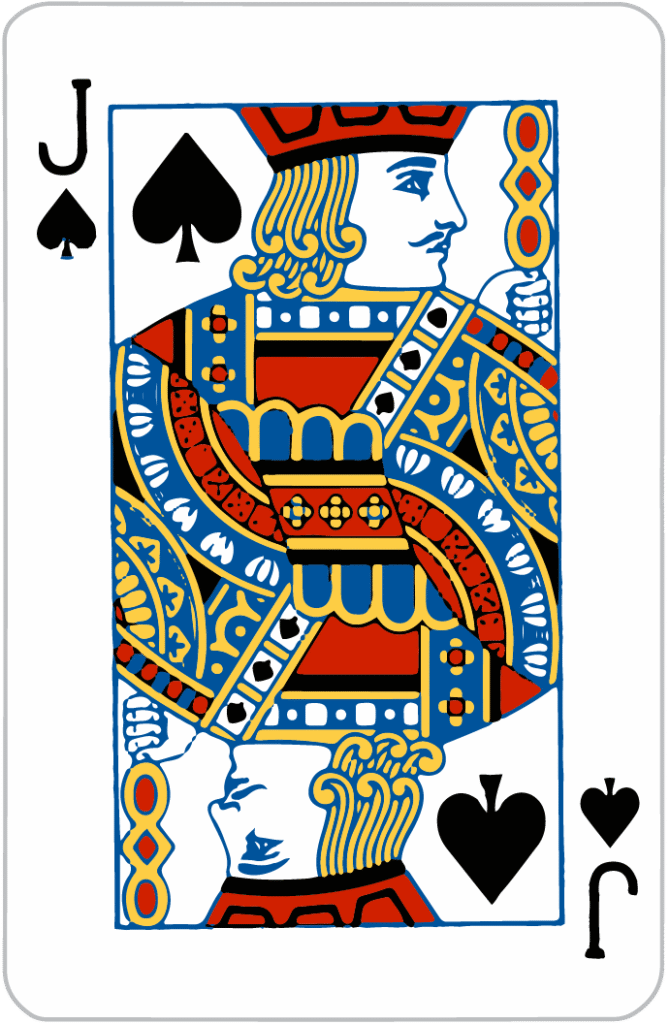
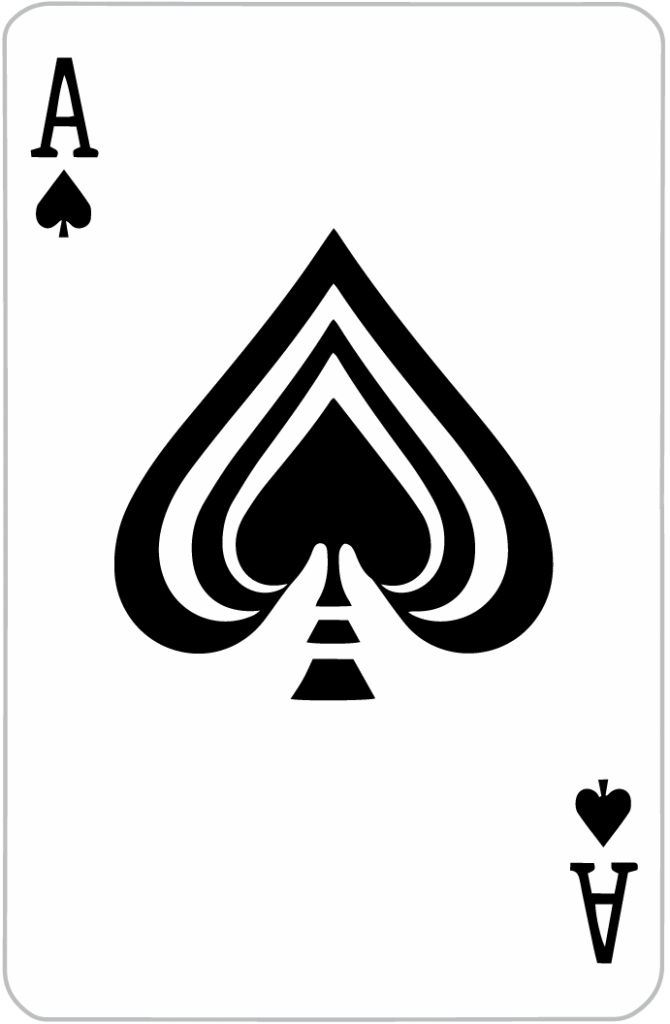
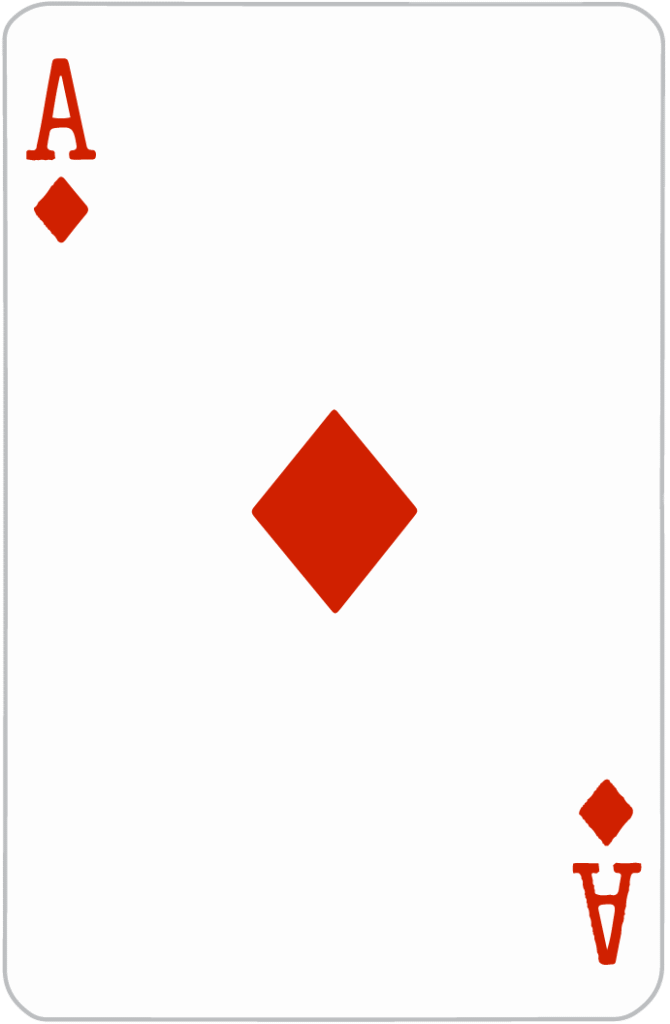
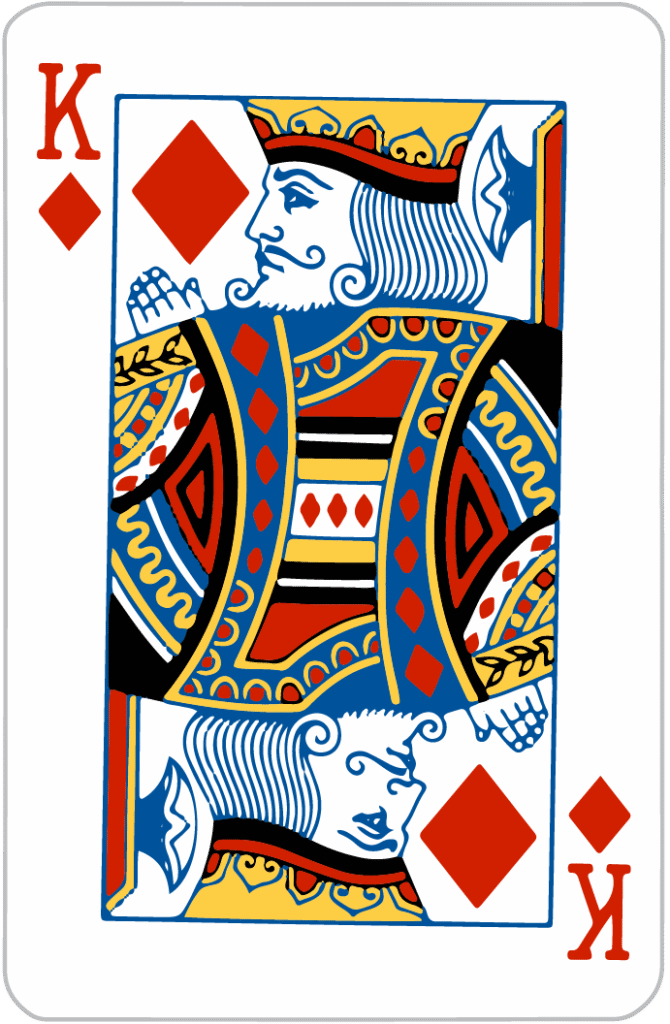
Discarding the A♤ is correct. This creates an additional void suit, protecting your loner by reducing the chance that S1’s opening lead can be trumped by S3 before you gain control. Keeping the two diamonds allows you to retain a suited combination instead of scattered protection and maximizes control across trick sequences.
There are theoretical defensive layouts where this line allows a euchre that would not happen if the A were kept, but they require extremely specific opponent distributions involving precise trump and diamond holdings split in just the wrong way. These scenarios are possible but exceedingly rare. Against the entire distribution set, discarding the A wins more loners overall despite the slight increase in exposure to these niche losses.
Special Case 1: Partner Orders the Bower
When your partner orders up a bower, your discard priorities change. You already know your partner holds strength in trump. Your goal becomes the march rather than mere survival.
In situations where you hold strong offsuit control, the instinct to short-suit yourself should be resisted. Keeping winners across multiple suits enables you to cash an A on the opening lead and then send the bower back to your partner for control of subsequent tricks. Preserving winners across suits creates clean communication lines and avoids awkward suit duplication that can force your partner into guessing plays.
In such hands, discarding a low off-suit loser like the Q♢ is correct over discarding an isolated ace simply to create a void. You are not building a ruffing position. You are building a winner chain that can convert strong offsuit cards directly into points.
Special Case 2: S3 Loner Defense
When a loner is called from S3 and you are the dealer, your discard should preferentially target Next whenever possible if doing so creates a void. This allows your partner to lead Next, giving you the opportunity to trump or overtrump the opening trick and potentially stop the loner immediately. This defensive discard reverses the normal loner logic. Instead of maximizing your own control, your discard is designed to coordinate directly with partner lead tendencies.
Throwing Off Mid-Hand
Discarding is not limited to the dealer’s pickup. Whenever you cannot follow suit, your throw-off becomes a communication opportunity.
On your first non-follow discard, throw from the suit you want your partner to lead back to you. If you hold an AK combination, discarding the ace tells your partner that the king remains and is a potential winner. If you hold AX, playing the smaller card signals similar intent while preserving trick chances.
Used correctly, these subtle cues allow partners to coordinate without explicit signals, creating smoother endgame sequences and fewer miscommunications.
Recognizing the Dealer’s Void
When a dealer is ordered up and discards, they often use the opportunity to create a void immediately. This means that the discarded card likely came from a double suit. As a partner, assume this structural reality when choosing follow-up leads.
For example, if you order the 9♧ and the dealer discards a heart, a heart lead into your partner is more likely to be trumped than won. Since their discard likely came from a paired suit, leading back into that same suit often wastes tempo. Instead, direct your play toward suits less likely to connect with the dealer’s void structure.
Summary
- Effective discarding follows a simple hierarchy:
- Create voids first
- Remove the lowest-value cards next
- Preserve combinations over isolated honors
- Adjust discards based on opponent lead tendencies.
- Shift priorities when your partner holds trump strength.
- Use throw-offs as subtle communication tools.
- Discarding correctly will never feel flashy, but it quietly converts marginal hands into points and strong hands into marches. Over thousands of hands, no skill outside calling itself will affect your win rate more consistently than choosing the proper discard.